Showing posts with label health. Show all posts

Sunday, 26 April 2015

Sad News: Girl fighting cancer kicked out of school

According to a report, the  young girl in the pics below has just finished battling leukemia has been dealt another blow, she was kicked out of her Catholic school. CNN affiliate WWMT reports. We cant really state the reason for now, but be rest assured that you will be the first to know .Watch out for the full reports... Really bad. Happy new week .

Must Read: 9 surprising benefits of Marijuana

While there are many, here are ten
of the health benefits attributed to marijuana (weed or igbo as many call it) and, of course, some of the problems linked to its use:
Alzheimer’s —Marijuana may be able to slow the progression of Alzheimer’s disease, according to research by the Scripps Research Institute and published in Molecular Pharmaceutics .
Anxiety —Harvard Medical School found that marijuana may have anti-anxiety effects. Of course, keep in mind that high doses may increase anxiety and paranoia.
—Marijuana can alleviate pain and inflammation linked to arthritis.
Cancer —Research in the journal Molecular Cancer Therapeutics found that cannabidiol found in marijuana, turns off a gene called “Id-1,” which cancer cells use to spread.
Epilepsy —Marijuana has been shown in studies by Virginia Commonwealth University, to stop seizures in the school’s animal studies.
Glaucoma —Researchers are working on developing new drugs based on cannabis to treat glaucoma pain after learning its effectiveness for treating the condition. Glaucoma is a condition that increases pressure inside the eyeball and can lead to vision loss.
Improves Lung Health—Research in the Journal of the American Medical Association found that marijuana can increase lung capacity, not decrease it as many people have long believed.
Multiple Sclerosis —A study published in the Canadian Medical Association Journal found that cannabinoids found in marijuana significantly reduced multiple sclerosis pain.
Nausea—Marijuana contains a minimum of 60 chemicals known as cannabinoids, of which THC is the primary one associated with its mind-altering effects. THC has been used in the treatment of nausea , including drug- or chemotherapy-induced nausea.
Parkinson’s Disease—Research published in MedPage Today found that marijuana use eased tremors and improved fine motor skills in patients with Parkinson’s disease.
However , Problems Linked with Marijuana Use include:
Addiction —that’s a fairly obvious one. Also, it can cause uncomfortable withdrawal symptoms in people who discontinue use.
Anxiety and Paranoia —In high doses or in sensitive individuals, marijuana can cause anxiety and paranoia.
Memory Impairment—As anyone who’s ever talked to someone who is high knows, memory impairment is common.
Mind-Altering Effects —This is particularly evident among people who haven’t used it before as well as many young people.
Heart Attack—One study found an increase risk of heart attack within the first hour of smoking marijuana.

Sunday, 19 April 2015

HEALTH: Skin diseases; symptoms, causes, diagnosis.

There are many varying types of skin disease that can affect a person’s skin, some of which are as simple as a minor irritation while others can cause severe discomfort and even lead to infection and other illnesses. Skin diseases are usually treated by a dermatologist. Many researchers attribute skin diseases to nutrient imbalances within the body and that correcting skin disease without the use of chemicals is completely possible. This has been argued by Western doctors, who tend to favor chemical therapies for most conditions, skin or otherwise.

SKIN DISEASES CAUSES

A skin disease is considered to be anything that causes abnormality of the skin. There are literally hundreds of skin diseases, thus the information relates to the majority of skin diseases. Skin diseases include annoying and embarrassing conditions such as acne, psoriasis, boils, chiggers, Lupus of the skin, scabies, rosacea, Lichens, and cysts. Most skin diseases cause itching, irritation, swelling, redness, and often even pain at the site of the skin irritation.

Skin diseases may very well have various causes just as there are various skin diseases. Some can be caused by different forms of bacteria. Acne is caused by a bacterium, but not the same bacterium that causes rosacea. Stress and dietary issues can cause skin diseases. Nutrient deficiencies at least contribute to if they are not the cause of skin disease. Skin diseases such as skin cancer is caused by severe and prolonged exposure to the sun’s harmful UV rays.
Skin
Image: Skin

SKIN DISEASES RISK FACTOR

There are no determining risk factors for skin disease outside of genetic susceptibility, diet, sunlight exposure, and to a degree, self care habits. Most of these things can be avoided by the patient if he or she chooses.

SKIN DISEASES DIAGNOSIS

Diagnosing a skin disease is best done by a dermatologist, but a general physician is typically well enough versed in skin disease that it may not be necessary to see a dermatologist. Skin diseases are typically easy to recognize, as each comes with its own distinct symptoms and a particular look to the skin, with the exception of a few rare skin diseases that may require blood testing to determine which skin disease with which the patient is afflicted. Skin diseases that are very rare need the help of a very specialized dermatologist.

There is a bacterium which lives on the skin known as Proprionibacterium acnes, which can help infect broken skin from scratching, peeling, flaking, and blistering. This can lead to infection. Skin diseases which get infected need the immediate assistance of a specialist and usually a heavy round of antibiotics. Since the skin is consistently exposed to the air and surface contact, it is easy to pick up additional bacteria which can lead to severe infections.

SKIN DISEASES DIAGNOSIS

Treating skin diseases can be a long and arduous battle. Skin diseases can be particularly stubborn in the face of treatment. While Western doctors prefer to treat skin infection with topical solutions and antibiotics (sometimes for years) other doctors prefer to try a more natural approach.

Image: Skin Diseases
Skin diseases


Changing a patient’s diet, exercise habits, and providing them with skin nutrient treatments has led to great success all over the world. Dead Sea treatments are showing phenomenal success in treating psoriasis and other closely related skin diseases, with many patients reporting being cured after a round of Dead Sea treatments.

 SKIN DISEASES TREATMENT

Taking great care of oneself while undergoing a treatment for any skin disease is vital. Skin diseases require adequate attention and changes in lifestyle, including diet, specialized nutrient skin treatments, and of course, upgraded skin care.
Living with a skin disease can be terribly painful, both physically and emotionally. Skin diseases are often quite embarrassing and hamper the patient’s ability to enjoy life. Some patients won’t even put on a bathing suit or wear shorts or short sleeves in the summertime. It is vital that patients have good family support and a general feeling of acceptance from those who are close to the patient in order to avoid stigmatizing him or her while the appropriate treatment options are discovered. Coping with a skin disease can be overwhelming when the skin disease is particularly painful. Patients are encouraged to seek pain relief from their therapy treatments and to attain a good level of overall health.

Friday, 17 April 2015

Vaginal Odour, causes and treatments.

Definition

Vaginal odor is any odor that originates from the vagina. It's normal for your vagina to have a slight odor. But, a strong vaginal odor — for instance, a "fishy" smell — might be abnormal and could indicate a problem.
An abnormal vaginal odor is usually associated with other vaginal signs and symptoms such as itching, burning, irritation or discharge.

Causes

Vaginal odor may vary throughout your menstrual cycle and may be especially noticeable right after having sex. Normal sweating also can cause a vaginal odor. Though it may be tempting to douche or use a vaginal deodorant to decrease vaginal odor, these products may actually increase irritation and other vaginal symptoms.
Bacterial vaginosis — an overgrowth of normally occurring vaginal bacteria — is the most common vaginal infection that causes a vaginal odor. Trichomoniasis — a sexually transmitted infection — also can lead to vaginal odor. Chlamydia and gonorrhea infections usually don't cause vaginal odors. Neither do yeast infections.
Generally, if you have vaginal odor without other vaginal symptoms, it's unlikely that your vaginal odor is abnormal.
Common causes of abnormal vaginal odor include:
  1. Bacterial vaginosis
  2. Poor hygiene
  3. Retained or forgotten tampon
  4. Trichomoniasis\.    Note: to now more about the highlighted ones, just click un them. 
Less commonly, abnormal vaginal odor may result from:

  1. Rectovaginal fistula (an abnormal opening between the rectum and vagina that allows feces to leak into the vagina)
  2. Cervical cancer
  3. Vaginal cancer   source: Mayo clinic 

Thursday, 16 April 2015

HEALTH: 10 Bad Habits That Drain Your Energy

Are you tired of being tired? If so, you’re not alone. Millions of Americans report feeling tired during the day. In most cases, this issue can be attributed to lifestyle factors. Here are ten bad habits that drain your energy.
1. Dehydration
Without enough water, you blood becomes thicker and requires more effort from your heart to circulate. Blood is also less able to transport nutrients and oxygen, making you feel tired easily.
2. Going to Bed Too Late
Researchers have found that the most critical stages of sleep occur between 10pm and 1am. If you feel like hitting the snooze every morning, consider adjusting your bedtime.
3. Not Exercising
When you feel like skipping the gym because of low energy, you might want to try going anyway. Studies show that even light exercise had the unexpected effect of actually boosting energy levels.
4. Low Iron Levels
If you’re eschewing certain foods like eggs, liver and red meat, your low energy may be caused by low iron. Without adequate iron, you can’t produce enough blood cells to efficiently transport oxygen to the heart, lungs and brain.
5. High Standards
Having lofty expectations of yourself and others is tiring. It’s easy to overexert yourself in an effort to complete everything you think you should be doing. It’s important not to overburden yourself and to keep your goals reasonable.
6. Skipping Breakfast
Many people skip breakfast in an attempt to control their weight. However, doing so may undermine your entire day. After fasting all night, your body needs calories and nutrients to produce energy.
7. Standard American Diet
Processed foods are convenient if you live a busy life, but they’re actually working against you. Their highly refined and chemical-laden nature steals more nutrients from your body than it provides, which can make you feel sluggish.
8. Being a People-Pleaser
Wanting to make others happy is an admirable quality, but it can be taken too far. Trying to please everyone is mentally and physically exhausting, and meanwhile, you’re not taking any time to take care of you.
9. Clutter
As the saying goes, “A cluttered workspace makes a cluttered mind.” It takes more mental effort to find what you need amongst a sea of others, so you wear out faster.
10. Not Enough Downtime
Working hard without taking time to relax leads exhaustion and eventual burnout. Be sure to take time away from projects to focus on what you want to do.

Friday, 10 April 2015

HEALTH: How To Tell If A Lump Might Be Cancerous

Cancer can be a scary thing to think about for
most people. It is a disease that remains
somewhat of a mystery even with all of our
modern medical advances. We can diagnose
cancer, we can monitor it, we can identify
carcinogens directly involved in causing it, and we
can even treat cancer to a certain extent. Even in
recent studies, enormous progress has been
made in the area of ultraviolet light and its
damaging effects on the DNA of normal skin cells.
The skin is the largest organ of the human body
and covers our muscles and soft tissues to help
prevent viral and bacterial infections. Other
functions of the skin include protecting us from
the elements, permitting sensations to temperature changes, and helping to regulate body temperature. When something goes wrong, often times the skin is the first place warning
signs will appear – usually in the form of rashes or lumps.
Here are some common types of lumps that may appear on or under the skin, along with symptoms:
(Please NOTE: This list is not all-inclusive)
1. Swollen Lymph Nodes
• Soft and rubbery feeling
• Movable
• Most common in the neck or armpit area.

2. Skin Cysts

• Slow-growing and painless
• Smooth to the touch and will roll under the skin
• Can be located anywhere on the body
3. Lipomas
• Slow-growing fatty tumors or nodules that are
often benign
• Firm and rubbery to the touch
• Most common in the torso, shoulders and neck
What’s important to note is that even though
lumps exist, that does not immediately indicate
that they are cancerous.
Here are some warning
signs to look for to tell if a lump may be cancerous:
• A lump that is painful, itches, scabbed, or bleeds
for more than 4 weeks. • Areas where the skin
has broken down into an ulcer or sore and
doesn’t heal within 4 weeks.
There are many types of lumps and tags that may
develop on our skin. Knowing what they are is only part of the equation. To effectively identify
Cancerous skin problems, these lumps must not only possess certain symptoms, but they must
also include cancerous indicators that do not dissipate within 4 weeks.
Courtesy: Positive Med.

Wednesday, 1 April 2015

HEALTH: How being in a relationship can affect your health

ChampagneInBed
When you’re officially off the market and settled into a comfortable relationship, you may be more apt to let yourself go— to wear sweatpants and eat ice cream on the couch with your significant other. 
You’ve found someone who loves you unconditionally, so why bother, right? Although your suspicion that a happy relationship could be bad for your waistline is partially correct, there is actually more evidence that suggests a healthy partnership is good for your health.
While numerous studies have linked stress from a bad relationship to a higher risk of heart disease— and even death— healthy relationships can reduce those risks, while boosting life satisfaction and, according to some experts, your net worth.

We’re not talking strictly about heterosexual married couples, either, says Timothy J. Loving, an associate professor in human development and family sciences at the University of Texas at Austin and co-founder of Science of Relationships.
“It’s not the marriage certificate” that bestows the benefits, he says. “We’ve seen very similar benefits in same-sex couples after accounting for things like discrimination and different societal support. And we’ve seen it in people in nonmarried cohabiting relationships as well.”
The complex link between relationships and health
 “We do know that individuals in positive relationships appear to live longer, [and] are less likely to suffer from coronary heart disease and some of those things,” Loving says. “What we know less about are the biological mechanisms underlying that.”
While no one can say for certain exactly how a good relationship positively influences health, there are a few notable possibilities. One lies in a common pet peeve in romantic partnerships.
“When we live with someone or are around that person for the majority of the time, they’ll nag us when we aren’t doing something in the right way, like getting that lump looked at or seeing the doctor,” Loving says. “For example, we know that men especially are more likely to take advantage of the health care system when they have a partner pushing them to do those types of things.”
Having someone you love and trust in your life can lessen your stress and give you a healthy coping mechanism when life throws curveballs. This is true for both men and women, but it’s this specific perk that Loving says lends the greatest benefits of healthy relationships to men, as they’re more likely to value independence and emotional detachment in traditional Western culture.
“When guys are able to get into a long-term partnership with someone, it kind of creates a safe outlet for those things,” Loving says. “In this way, men seem to get more of a boon than women, who tend to maintain better support networks as a whole and who may be better at dealing with their emotional responses.”
These stress-busting effects, for both genders, are not only good for mental health, but also play a role in reducing the risks of chronic disease. A study in the journal of the American Medical Association links the effects of stress to immune and inflammatory responses, depression, and autoimmune, infectious and coronary artery diseases.
Financial perks of partnerships
And as for finances, like mental and physical stress, the potential benefits are reserved for the most well-adjusted relationships.
Being married increases the likelihood that you’ll have health insurance and access to care, according to the U.S. Department of Health and Human Services. The agency also says that while married and unmarried adults have about the same rates of falling ill, those who are married are likely to have shorter hospital stays and lower health care costs overall. Pair this with double the earning power, and the financial benefits of being together seem obvious.
But arguments about money are a notoriously touchy spot— and the largest predictors of divorce, according to researchers at Kansas State University. There, a study led by Sonya Britt found that the stakes were high in money arguments, regardless of income level or net worth. Good communication, which can help prevent such arguments, is crucial for both financial and romantic health, the study suggests.
Essentially, not just any romantic relationship will do. The potential for whole-health benefits is there, but primarily for the most well-adjusted partnerships.
“The mere fact of just checking off the box that says ‘I’m in a relationship’ doesn’t really tell us much without knowing how the relationship is working,” Loving says. Good relationships, like those replete with trust and sensitivity, are the kind that will offer the biggest health perks, even if they include a bit of nagging.
ChampagneInBed

Sunday, 29 March 2015

HEALTH: 7 Rules For A Happier, Healthier Life

GROUPS OF FRIENDS
Sometimes, when you're looking to make some new healthy changes to your life, the last thing you want is another calorie-counting food journal or specific list of exercises that tone each troublesome body part. Instead, a simple mantra or two will do.
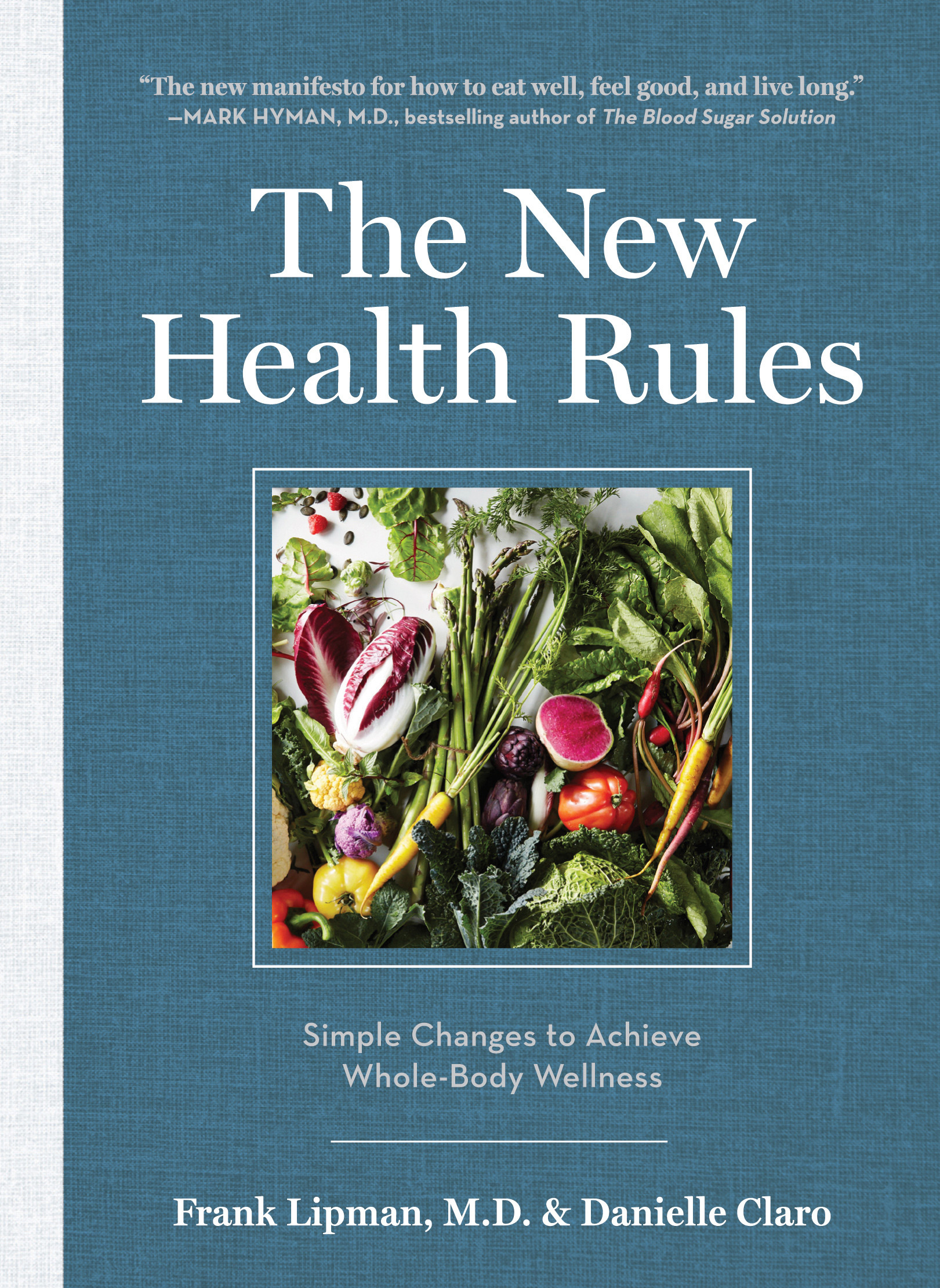
The New Health RulesThat's the premise behind The New Health Rules, the latest book on living well from Frank Lipman, M.D. and Danielle Claro. Their combination of single-page yet comprehensive health tips and photography that would inspire anyone to get moving with the coordinating rules create a new kind of health guide that focuses on sustainable healthy living instead of short-term (and overly specific) solutions. For those who know they want to lead a healthier life but don't know where to start, any page of this book offers an entry point.
From nutrition and exercise to mental health and lifestyle, The New Health Rules provides a variety of tips for leading a better life that begin with small steps rather than big (and typically more difficult) changes. Rarely do we find one-size-fits-all methods for achieving personal health and wellness, but these broader strategies can apply to everyone -- as well as remind us of life's beautiful truths we often forget.
If you're ready for a little positive change in your life, here are seven health rules to live by that are as simple as they are effective.
Eat the colors of the rainbow.
2015-03-11-1426090130-2679128-12_Eating.jpg
Excerpted from The New Health Rules by Frank Lipman, M.D. and Danielle Claro (Artisan Books). Copyright © 2014. Photographs by Gentl & Hyers.
Vegetables (and some fruits) in a wide range of deep colors should make up most of your diet. Intense color indicates loads of phytonutrients, biologically active substances that protect plants from viruses and bacteria—and offer similar benefits to humans.
Exercise like kids play.
2015-03-11-1426090416-8732245-86_ExerciseLikeKidsPlay.jpg
Excerpted from The New Health Rules by Frank Lipman, M.D. and Danielle Claro (Artisan Books). Copyright © 2014. Photographs by Gentl & Hyers.
Our bodies are not built to run long distances for no reason at all. We’re built to chase down prey and then stop. To run from danger and then stop. That’s what feels best and works best to keep us in shape—short bursts of intense exertion interspersed with periods of leisurely movement. The long-held belief that we need to elevate the heart rate with 30 minutes of sustained activity is being replaced by this plan—often referred to as interval training. You don’t need a specially designed workout or a personal trainer to apply this. When you’re running, sprint for a minute, then walk or trot for five. In the pool, swim one fast lap, then do three at a leisurely pace. This system is organic to many yoga classes (you practice kicking up into handstand for two minutes, then you follow up with a restorative child’s pose). But with some workouts it’s up to you to adjust. Worried you won’t burn enough calories? With interval training, you’ll actually burn more.
Spend lots of time with people you love.
2015-03-11-1426090475-5799905-117_SpendLotsofTimeWithPeopleYouLove.jpg
Excerpted from The New Health Rules by Frank Lipman, M.D. and Danielle Claro (Artisan Books). Copyright © 2014. Photographs by Gentl & Hyers.
It’s a health factor, yes—a boost for your immune system. You need to be around those who really get you, to laugh, talk unguardedly about your problems, and listen deeply. You need hugs and smiles and belly laughs. You need to be able to be your true self. If you’re lucky, this stuff is built into your day. But even if it requires an effort, make it happen. Don’t assume e-mail or Facebook or even the phone is going to do—physical, as well as emotional, closeness is a big deal.
Buy these every week.
2015-03-11-1426090365-4958929-50_BuyTheseEveryWeek.jpg
Excerpted from The New Health Rules by Frank Lipman, M.D. and Danielle Claro (Artisan Books). Copyright © 2014. Photographs by Gentl & Hyers.
  • Dark Leafy Greens: More nutritious, calorie for calorie, than any other food
  • Cruciferous Veggies: Lower the risk of cancer
  • Avocados: Help protect your body from heart disease, cancer, and certain degenerative diseases
  • Blueberries:Help prevent cancer, diabetes, heart disease, ulcers, and high blood pressure
  • Eggs: Full of protein and good fats
  • Walnuts: Packed with omega-3s and other nutrients that help protect your heart
Wander barefoot.
2015-03-11-1426090613-7752132-165_WanderBarefoot.jpg
Excerpted from The New Health Rules by Frank Lipman, M.D. and Danielle Claro (Artisan Books). Copyright © 2014. Photographs by Gentl & Hyers.
Kick off your shoes and walk on grass, earth, or sand whenever you have the chance. Not only will this boost your immune system by exposing you to unfamiliar microbes, but it will also give you a little charge—literally. Believe it or not, just as we get vitamin D from the sun and oxygen from the air, we get electrons from the earth, which have calming and healing benefits for the whole body.
Do something you love for at least 10 minutes a day.
2015-03-11-1426090563-1791660-161_DoSomethingYouLoveForAtLeast10MinutesADay.jpg
Excerpted from The New Health Rules by Frank Lipman, M.D. and Danielle Claro (Artisan Books). Copyright © 2014. Photographs by Gentl & Hyers.
It’s incredibly powerful and healing. We all think we don’t have time, but most of us can find it somewhere (maybe in the time we spend online—just a guess). It doesn’t have to be a big deal: Shoot hoops in the driveway. Sketch something on the bus home. Blast music and dance around the living room. Pick up an instrument and play three pieces. Do it on purpose, like taking a supplement.
Look up.
2015-03-11-1426090523-6858334-144_LookUp.jpg
Excerpted from The New Health Rules by Frank Lipman, M.D. and Danielle Claro (Artisan Books). Copyright © 2014. Photographs by Gentl & Hyers.
Be present in your surroundings. Looking up and out—and making eye contact with others—is a form of nourishment that the age of smartphones has seriously messed with. See the sky, look at the ticket collector on the commuter train, take note of the people nearby when you’re eating lunch. Instead of burying your face in your phone—which takes you out of the moment and often into a sort of junk-food-for-the-eye place—lift your head and be part of your environment.
For the complete collection of simple changes to achieve total well-being, check outThe New Health Rules by Frank Lipman, M.D. and Danielle Claro.
GROUPS OF FRIENDS

Friday, 27 March 2015

HEALTH: The Truth and Fiction of Alcohol’s Effects on the Brain

thebrain
Alcohol represents one of the most popular recreational drugs consumed in many countries throughout the world. While abuse certainly can result in many different negative health implications, there are common misconceptions about potential for damage to the brain. This is not to say that alcohol does not pose any threat to brain health. However, popular belief may overstate the dangers in some ways.
Truth: Regular Alcohol Consumption Reduces Brain Volume
According to a 2007 study by the American Academy of Neurology, there is a negative correlation between brain volume and consumption of alcohol. Based on the 1,839 people evaluated, researchers determined that heavy drinkers (those who consumed more than 14 drinks each week) had a 1.6 percent reduction in ratio of brain volume compared to skull size, when measured against those who did not drink.Fiction: Brain Volume Impacts Cognitive Abilities
While the AAN’s study did evidence a noticeable reduction in brain mass for drinkers, the actual rate of shrinkage was thought to be fairly small in context. Additionally, the studies did not indicate that a reduction in the brain’s volume was linked to impairment of memory and mental functions. While both of these problems can stem from alcohol abuse for other reasons, they are not thought to be a direct result of decreased brain mass.
Truth: Alcohol Consumption Damages the Brain
This statement is technically true, although it is important to consider the actual type and amount of damage inflicted. Most of the negative impact for heavy drinkers occurs in the connections between brain cells, called dendrites, which help neurons to communicate. Additionally, while it is true that prolonged overconsumption of alcohol can lead to diminished brain health, the effects are not necessarily permanent.
Fiction: Drinking Kills Brain Cells
One of the most common misconceptions about alcohol use is that it always kills brain cells. In fact, this theory was debunked in 1993 thanks to a study performed by Dr. Grethe Badsberg Jensen and Dr. Bente Pakkenberg of the Neurological Research Laboratory at Aarhus University.
Their findings showed that prolonged heavy drinking could result in the presence of fewer healthy white brain cells, and sometimes fewer gray cells in the parietal lobe (responsible for spatial processing and navigation). However, these risks were not considered to be a concern for moderate drinkers.
Truth: The Human Brain Can Heal
 In most cases, alcoholics and heavier drinkers who reduce their alcohol intake significantly (or cease altogether) improve their chances of reversing some of the negative effects caused by drinking. Within five to seven years, most studies indicate that brain mass and cognitive functions will return to normal, especially if the individual has chosen a lifestyle of total sobriety.
Overall, with alcohol use being prevalent in so many parts of the world, the potential for abuse will always exist. It is necessary to ensure that consumers are well informed regarding the health risks associated with long-term drinking. Although the potential impact on the brain may sometimes be overemphasized, alcohol can be damaging to the body in numerous ways, particularly when abused. Please seek out the advice of a medical professional if you or someone you know needs help or information regarding substance abuse.
thebrain

Sunday, 15 February 2015

HEALTH: 6 Health Problems To Never Ignore

Lurking behind these conditions may be other,
scarier illnesses. Here's what to look out for.
"Shadow diseases" that strike
together
Experts aren't sure why some illnesses travel in
pairs, but knowing your risk will help you stay
safe.
For years, doctors have observed that patients
with one illness may be stricken by another
condition that's seemingly unrelated and
sometimes more serious, known as a "shadow
disease." One of the most well-known is the
connection between migraines and heart attack
or stroke. Now researchers are uncovering even
more linked ailments and zeroing in on why they
appear to travel in pairs.
Studies show that these couplings occur for
different reasons. In some cases, one disease
creates damage that causes the second illness.
In others, troublesome genes or poor health
behaviors, such as smoking or lack of exercise,
trigger one problem, then the other. Being alert to
the following dangerous connections can help
you avoid the shadow disease or get early
diagnosis and treatment, leading to a better
outcome.
1. Migraine
Its shadow: Stroke or heart attack
If you regularly suffer from migraine pain
(especially if you develop auras, which are visual
or sensory phenomena that accompany the
headache), your doctor has probably warned you
about your susceptibility to heart attack or
stroke. Now, thanks to recent findings, experts
better understand which cardiac ailment is more
likely to occur for any given migraine sufferer.
Frequency matters. If you have fewer than one
migraine a month, you're 50% more likely to have
a heart attack than nonsufferers. If migraines
strike at least weekly, you have 3 times the risk
of stroke, compared with those who don't have
this problem, says study coauthor Tobias Kurth,
MD, an assistant professor at Harvard Medical
School.
Protect yourself: Unfortunately, existing research
has not yet found that preventing migraines has
the effect of lowering stroke or heart attack odds.
However, by keeping your cardiovascular system
as healthy as possible, you diminish your chance
of a cardiac event, according to the National
Stroke Association. To do this, control known
hazards, such as high cholesterol and obesity,
via diet and exercise. You should also quit
smoking and limit alcohol intake (no more than
one drink a day for women, according to the
American Heart Association.)
2. Endometriosis
Its shadow: melanoma
In 2007, a huge, 12-year French study confirmed
that women with endometriosis (in which tissue
similar to the uterine lining grows outside the
womb) are 62% more likely to suffer from
melanoma. Researchers are unsure why
endometriosis and the deadly skin cancer
sometimes travel together, but one possibility is
a genetic defect that triggers both conditions.
Protect yourself: If you have endometriosis, ask
your doctor to scan your skin for melanoma,
advises Jeffrey P. Callen, MD, a professor of
dermatology at the University of Louisville School
of Medicine. You can also do a self-check of your
moles. If anything suspicious turns up, be sure to
have it biopsied. Don't panic, though. "When
diagnosed very early, melanoma is nearly 100%
curable," Dr. Callen says.
3. High blood pressure
Its shadow: diabetes
Doctors have long wondered how high blood
pressure and diabetes are related, because the
two often appear together, especially in obese
patients. Now, after following 38,000 midlife
women for 10 years, researchers at Brigham and
Women's Hospital and Harvard Medical School
report that constantly elevated blood pressure, or
hypertension, doubles your risk of developing
diabetes, regardless of your BMI. More
surprising, the risk of diabetes goes up if your
blood pressure increases over time—even if it
stays under the hypertension threshold.
The two problems may have a common cause,
says study author David Conen, MD, a research
fellow at Brigham and Women's Hospital.
Potential culprits include high levels of
inflammation in the body, he says, or a
malfunction in the blood vessels' inner lining,
allowing blood cells to leak into surrounding
tissue and damage it.
Protect yourself: If you have mild hypertension or
are at risk for this problem, get tested for
diabetes. You can help prevent onset of diabetes
with lifestyle changes: Increase your physical
activity, lose excess weight, limit salt, and stub
out those cigarettes for good, suggests Dr.
Conen.
4. Psoriasis
Its shadow: heart attack
The rough, itchy patches of psoriasis are more
than uncomfortable and unsightly: They may
increase your odds of a heart attack, concludes a
study that followed half a million people for 5
years. The risk of a cardiac emergency was
related to the severity of the psoriasis, the
researchers determined; serious cases of the
skin ailment could mean a more than doubled
heart attack risk.
"The out-of-whack immune system that triggers
the psoriasis may also cause inflammation that
infiltrates the arteries of the heart," explains
study author Joel M. Gelfand, MD, an assistant
professor of dermatology at the University of
Pennsylvania.
Protect yourself: Will controlling the skin disease
diminish the inflammation that can cause a heart
attack? The idea makes sense but must be
confirmed with further research, says Gelfand.
You can also consider talking with your doctor
about new psoriasis medications, including
Amevive (generic name alefacept). They're made
from living sources, much as vaccines are. They
may work, even if past treatments failed. In the
meantime, Dr. Gelfand suggests keeping your
heart healthy with diet and exercise.
5. Metabolic syndrome
Its shadow: kidney stones
Metabolic syndrome is a serious health condition
associated with coronary heart attacks, diabetes,
and even early death. You have it if you've got at
least three of these five traits: excess abdominal
fat, high blood triglycerides, low HDL (which is
the good cholesterol), high blood pressure, and
impaired glucose tolerance.
Now research reveals that metabolic syndrome
could also be behind the rising rate of kidney
stones. Your odds of developing them go up by
54% if you have two of the above traits; with
three symptoms, your risk hits 70%, says the
research.
Protect yourself: Obesity is a key player in both
metabolic syndrome and kidney stones, perhaps
because overweight people are likely to consume
excess protein and sodium, which may cause the
painful crystals to develop, says study coauthor
Bradford Lee West, MD. Trimming your waistline
reduces one of the metabolic syndrome traits and
may diminish your chances of getting kidney
stones, he says.
6. Asthma
Its shadow: depression and anxiety disorders
Studies reveal a striking connection between
asthma and psychological problems, including
depression and anxiety. In 2004, the CDC
announced that 18% of patients with asthma
report mental distress. "This link has been
debated by scientists for about 20 years, but in
the last half decade it has become more
accepted," says Bruce G. Bender, PhD, who is a
professor of psychiatry at the University of
Colorado Health Sciences Center.
Research on military veterans with post-
traumatic stress disorder also confirmed the
connection. Veterans with the greatest number of
PTSD symptoms were more than twice as likely
to have asthma as those with the mildest cases,
reports study coauthor Renee D. Goodwin, PhD,
an associate professor of epidemiology at
Columbia University. Speculates Bender: "One
condition may lead to the other. Breathing
difficulties may cause anxiety or even
depression. Or psychological problems may
make asthma worse."
Protect yourself: If you know you have either
asthma or mental health problems and suspect
you have the other, get tested for it. Seek help for
any confirmed illnesses so you don't find
yourself in a downward spiral, with each
condition exacerbating the other one.

Thursday, 12 February 2015

HEALTH: 9 Ways to Fight Asthma and Allergies

With proper care, a person with asthma can live a healthy, happy life, free from symptoms. Though the cause of asthma has not yet been identified, there is a genetic link. You are more likely to have asthma if one of your parents also has it. While there is no cure, there are many effective asthma treatments available. As a result, people with asthma can generally live fully functional lives and manage their symptoms with ease.

Instructions

    • 1
      See your doctor. Your doctor can perform various tests to ascertain the things that exacerbate your asthma. Triggers include allergies, fragrances, intense exercise and environmental factors. If you know what triggers your particular asthma, you can take steps to avoid those things.
    • 2
      Talk to your doctor about asthma medication. Oral medications can lessen your symptoms over time. Such medications don't work in the same manner as fast-acting inhalers. Generally, you must use them for several weeks before you experience results. Available via prescriptions, such medications can reduce long-term swelling and smooth bronchial tissue.
  1. 3
    Keep a fast-acting inhaler with you at all times. If you have asthma, your doctor has undoubtedly prescribed an inhaler for you. Follow your doctor's instructions and use the specified amount during an asthma attack.
  2. 4
    Use an air purifier in your home. These devices filter air, removing pollutants such as pet dander and smoke. If used regularly, the air you breathe will be cleaner and less likely to trigger asthma attacks.
  3. 5
    Drink caffeine. When consumed moderately, caffeine can improve asthma. It stimulates bronchial tissue, helping to thin it so you can breathe more easily. You can find caffeine in a variety of sources, such as coffee, caffeinated teas and chocolate.
  4. 6
    Take Vitamin C. As a natural antihistamine, Vitamin C can greatly improve asthma. In addition to supplements, you can find Vitamin C in citrus fruit, peppers and onions.
  5. 7
    Try herbal remedies. Lavender, chamomile and eucalyptus oils are all used to improve asthma symptoms. Rub the essential oil on your chest and breathe deeply.
  6. 8
    Maintain a healthy lifestyle. Proper nutrition, daily exercise and adequate sleep improve your body's overall function, helping to lessen your asthma symptoms. If intense exercise worsens your asthma, opt for moderate choices such as walking. Avoid cigarettes and excess sodium, as both can exacerbate asthma.
  7. 9
    Practice controlled breathing techniques. Breathe in through your nose. Purse your lips together tightly and slowly exhale through your mouth. This reduces stress on your bronchial tissue, preventing asthma attacks.


  8. With all these, we strongly believe you will be fine.... dont forget to make your Doctor your close friend.


Saturday, 20 December 2014

HEALTH: Woman sues hospital after contracting infection that lead to amputation of fingers, toes

After going to the hospital for a bone marrow
transplant, a mother of three developed a potentially
deadly infection  that led to the need to amputate all
of her toes, parts of both feet and many of her
fingers. She is now suing City of Hope National
Medical Center in Los Angeles, Calif., CBSLA.com
reported.
Janet Garner, 49, said that in 2004, doctors failed to
give her vaccinations that could have prevented her
from developing pneumococcal sepsis.
“The hospital and medical staff chose to ignore their
own written procedures and did not give her the
required pneumococcal vaccinations following the
transplant,” Garner’s attorney Moseley Collins said
at a press conference Thursday.
Because of chronic wounds, the remainder of
Garner’s feet may need to be amputated in the
future. At the press conference, she said that the
soles of her feet are skin over bone.
“Every step is painful,” Garner said. “It feels like
walking on sharp rocks— it’s really hard. I feel
helpless and useless.”
Garner and her husband, Stefan, said they now
think of how their life used to be and experiences
they can no longer have with their children.
“I can’t walk on the beach with them … I just can’t
do it. And I just hope they’re going to be OK. It’s
hard. They’re precious,” she said.
The hospital declined CBS2/KCAL9’s request for an
on-camera interview, issuing a written statement
that said: “Providing the best possible treatment for
all patients is City of Hope’s highest priority. In
observance of federal and state privacy regulations,
we will not comment upon any individual patient.”
The trial is set to begin March 16, 2015 in L.A.
County.

ads